
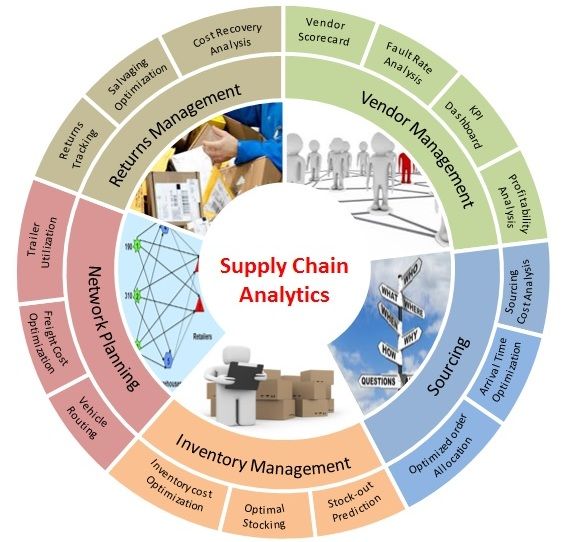
In retail and consumer goods, supply chain analytics is often used for demand forecasting and inventory optimization. Supply chain analytics can influence many parts of the supply chain, from demand planning to transportation optimization to efficiency and end-to-end visibility. Rather than referring to a single tool or system, supply chain analytics is a process that turns raw data into insights that organizations can apply to how their supply chains operate. Advances in artificial intelligence, machine learning and data processing are reshaping how supply chain analytics is done. To excel in supply chain analytics, you’ll need to have strong data analysis and data visualization skills.
Then it makes it easier for you to explore and analyze the data to find patterns. Gain a complete view of the business, uncovering accurate and actionable insights in real -time planning, sourcing, logistics and warehousing and aftermarket Reduce order fulfillment issues to enhance customer satisfaction and drive brand loyalty Reshape operations and embed efficiencies through the chain to lower cost of goods sold (COGS) and achieve high gross margins Anticipate and immediately respond to market trends and shifts within the supplier base to manage risk and proactively plan for disruption Modern supply chain data analytics brings you end-to-end visibility into every step of your logistics network and even supports real-time demand and supply shaping.
The “thinking” supply chain collaborates with the digital systems that relevant suppliers and manufacturers use. Outlined below is what each of the five Cs mean to supply chain analytics. Additionally, experience working with common supply chain analytics tools can prepare you for a role in the field. Prescriptive analytics uses data to prescribe a course of action, such as improving inventory management or optimizing operational efficiency. Logistics professionals use diagnostic analytics to better understand the reasons that trends or relationships exist within the data as well as the factors contributing to them. The five primary types of supply chain analytics are descriptive, diagnostic, predictive, prescriptive, and cognitive.
Skills you’ll gain
- Data visualization tools help users see complex information in dashboards, charts and interactive reports, helping them better understand what is happening across the supply chain.
- The order of the other courses is up to the learner’s choice.
- Strategic use of supply chain analytics can impact a business’s bottom line.
- Advances in artificial intelligence, machine learning and data processing are reshaping how supply chain analytics is done.
- Generative AI and natural-language interfaces let users ask questions without writing code, and automated systems can surface anomalies, generate dashboards and recommend next steps.
- As part of PTCG/SABRE, he led the team that pioneered the concept and use of optimization-based procurement throughout the transportation industry.
FleetPride, a distributor of truck and trailer parts, used IBM analytics tools to unify data across its logistics network, improving visibility and enabling better-informed decisions. Bridging the gap between traditional supply chain management and advanced data analytics can be a hurdle for some. Organizations can also find it difficult to fill key roles with the right talent, especially as required analytical skills evolve and change.
Learn how it’s used to improve supply chains worldwide and what a future in this impactful career could look like for you.
A digital twin creates a virtual version of a supply chain network, making it possible to test changes—such as adding a warehouse or switching suppliers—before making changes. Another important development is the use of digital twins and simulation models. Generative AI and natural-language interfaces let users ask questions without writing code, and automated systems can surface anomalies, generate dashboards and recommend next steps.
Types of Supply Chain Analytics
Also, gain insights into the principles underlying the digital transformation of supply chains, browse a list of common tools, and explore some courses that can help get you started in this impactful career today. Learn more about supply chain analytics, explore the different types used daily, and find a list of its benefits. Supply chain analytics uses data analytics to manage, improve, and support supply chain operations. As stated above, real-time data and analytics pipelines can now deliver data to trigger immediate action.
“I directly applied the concepts and skills I learned from my courses to an exciting new project at work.” “To be able to take courses at my own pace and rhythm has been an amazing experience. I can learn whenever it fits my schedule and mood.” Share it on social media and in your performance review. Each course provides on an authentic, data-driven project that lets learners apply what they’ve learned to a real business problem.
And that won’t give you the visibility or the agility you need to manage complex and ever-changing operations. Prescriptive analytics uses advanced https://beginnersmind.info/optimizing-supply-chain-resilience-with-cryptographic-ledger-integration/ machine learning to analyze data and recommend the optimal course of action or strategy moving forward. Descriptive analytics summarizes historical trends in dashboards, visualizations, or reports. Modern supply chain analytics is powered by a cloud-based, end-to-end data integration and analytics platform. Supply chain analytics refers to the tools and processes used to combine and analyze data from multiple systems to gain insights into the procurement, processing and distribution of goods.
Descriptive analytics uses data to describe trends and relationships, such as supply chain performance or a warehouse’s inventory levels. Supply chain analytics uses data analytics methodologies and tools to improve supply chain management, operations, and efficiency. Traditional data and analytics processes don’t provide real-time information about your suppliers, operations, and sales. https://himachal.us/supply-chain-continuity-contractual-reassignment-international-mergers/ Here are two key challenges to be aware of as you implement modern supply chain analytics in your organization. Not only do your teams know what is happening right now, they can understand what is likely to happen and they are alerted to take action when specific conditions are met.
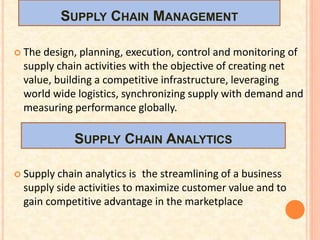
- Supply chain analytics is the process of collecting and analyzing supply chain data to understand and improve supply chain management.
- As e-commerce grows in size and importance, so does the need for well-trained analysts capable of understanding the supply chains that undergird it.
- “I directly applied the concepts and skills I learned from my courses to an exciting new project at work.”
- As distribution networks grow, so does the need for data professionals to ensure they run smoothly.
- Also, gain insights into the principles underlying the digital transformation of supply chains, browse a list of common tools, and explore some courses that can help get you started in this impactful career today.
What Is Supply Chain Analytics?
By integrating data from warehouses, transportation systems and inventory platforms, organizations can improve coordination and identify inefficiencies. By combining historical sales data with real-time information about promotions, seasonality and regional demand patterns, organizations can align inventory with customer needs. This analysis often includes statistical analysis, forecasting models or machine learning techniques. This information can include internal systems like ERP and CRM platforms or external sources (for example, suppliers, logistics partners or market data). As the technology that drives supply chain analytics improves, so do the potential benefits. They can combine operational data with external information about weather patterns, economic trends or supplier updates.